
Forbidden Fun? What’s Actually Legal, and What Feels Illegal in Montreal
Montreal has a reputation. Ask anyone outside Canada, and you’ll hear the same things: wild nightlife, open-minded culture, and a kind of freedom that feels slightly… off-limits.
But here’s the reality: most of what people think of as “forbidden fun” in Montreal isn’t illegal at all. It just exists in a space that feels private, selective, and sometimes intentionally hidden.
If you’re exploring the adult side of the city, from swingers clubs to after-hours events, it helps to understand where the legal lines actually are, and why some experiences feel more underground than they really are.
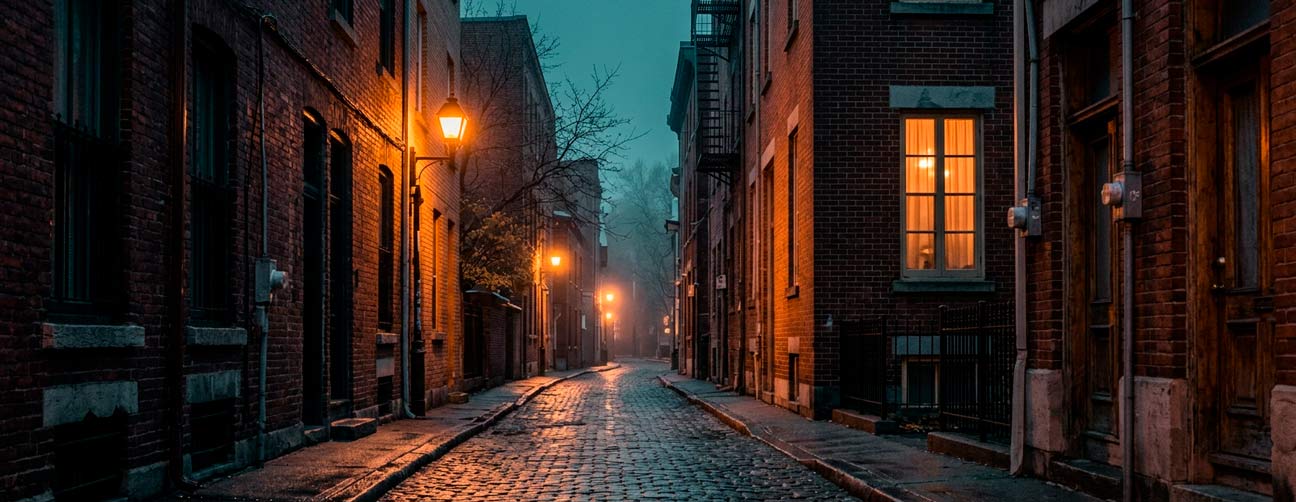
Why So Much of It Feels “Illegal”
A big part of Montreal’s adult scene is built on controlled access. You don’t just walk into most spaces, there are membership systems, dress codes, orientation rules, and selective entry policies. That alone creates a psychological effect: if something is hard to access, it feels like it must be restricted.
In reality, these systems exist less for legal reasons and more for consent, safety, and atmosphere. Club L, for example, won’t let first-timers past the bar without a mandatory tour before 11 PM. L’Orage used to require phone verification just to get the address. None of that is because the law demands it. It’s because the regulars want to keep the crowd respectful.
This is especially true in the swingers and libertine scene, where structure matters more than people expect.
Swingers Clubs: Legal, But Structured
This is where things get interesting, because what many assume is illegal is actually protected by law.

In Canada, swingers clubs became clearly legal after the Supreme Court case R. v. Labaye back in 2005. The court ruled that consensual sexual activity between adults in a private setting does not count as criminal indecency. The case started right here in Montreal, at Club L’Orage, when its owner was charged with running a “bawdy house.”
That decision changed everything. It established a simple but powerful principle: if there is no harm, no coercion, and no public exposure, it’s not illegal. This is why venues like Montreal’s long-running libertine clubs can operate openly today. You can find their websites, their event calendars, even their podcasts. No one’s hiding from the police.
But legality doesn’t mean “anything goes.” Most clubs enforce strict consent rules: some require verbal check-ins, others have written policies. They maintain gender balance, often limiting the number of single men on peak nights or charging them higher entry fees. Many also have mandatory first-time orientations, which can feel almost like a school seminar but inside a former bank vault.
From the outside, it might feel like an underground world. From the inside, it’s often surprisingly regulated, sometimes more than a regular nightclub.
What Is Illegal in This Space
The line is clearer than people think.
In Montreal (and Canada more broadly), things cross into illegal territory when they involve:
- non-consensual activity of any kind
- public indecency (parks, alleys, visible from the street)
- prostitution or exchange of sex for money on the premises
- operating unlicensed venues without proper business permits
That last point matters.
A private club with members, published rules, and a liquor license? Legal. A pop-up party in someone’s basement charging $40 at the door with no insurance, no consent policy, and no oversight? That’s where you risk trouble. Not because of the sex, but because it’s an unregulated commercial operation.
So while the environment may feel “edgy,” most established venues in Montreal operate well within the law. The owners pay taxes. They file corporate returns. They worry more about their liquor permit than about getting raided for indecency.
The Grey Zone of Adult Entertainment
Things get murkier outside physical venues. Montreal’s adult scene now includes private invite only events, Telegram or FetLife communities, dating platforms, and online entertainment.
Is a hotel takeover organized on a private chat breaking any law? Probably not, if everyone consents and no money changes hands for sex. But it’s also not the same as walking into a club with a membership card. The grey zone isn’t about legality, it’s about transparency.
Online Casinos and Adult Entertainment: Legal, But Complicated
One of the most common questions people have today is about online casinos.
Here’s the honest answer: playing at online casinos in Canada is generally not illegal, but how they’re regulated is a mess.
Canada’s gambling laws are handled at the provincial level. In Quebec, the government operates its own official platform through Loto-Québec. That’s clean, legal, and boring.
But most people asking about “online casinos” mean offshore sites – international platforms licensed in places like Malta, Curaçao, or Kahnawake (right next to Montreal, actually). And here’s the nuance:
- Provinces control licensed gambling platforms inside Canada
- Operating an unlicensed casino from Canadian soil is illegal
- But accessing an offshore online casino as a player is a legal grey area – no individual has ever been prosecuted in Canada for simply playing on one

That’s why online casinos often feel similar to private adult events:
- accessible, but not always transparent about their legal status
- legal to participate in, but not always locally regulated
- a “buyer beware” atmosphere where you’re responsible for your own choices.
And just like with nightlife, the key difference is who controls the environment. A provincially run site has consumer protections. An offshore casino does not – same as an unlicensed pop-up party versus a proper swingers club.
Why It Still Feels “Forbidden”
Even when something is legal, it can still feel off-limits. In Montreal, that comes down to three things:
1. Privacy Culture
Many adult spaces are intentionally discreet. No signage, no photos, no publicity. Club L is a former bank with tinted windows. Entre Nous 2 uses tinted glass panels. You could walk past a swingers club every day and never know.
2. Social Boundaries
People don’t openly talk about participation, even if it’s common. You won’t hear someone bragging about their Saturday night at L’Orage during a Monday morning meeting. That silence makes it feel rarer and more transgressive than it actually is.
3. Selective Access
You often need to know where to look, how to behave, and how to get in. First-timers at Club L need that orientation. Single men face higher cover charges. Some private events don’t publish addresses at all, you get them after a phone screening.
That combination creates the illusion of something hidden, even when it’s fully legal.
So… Is Anything Actually Forbidden?
Less than you think. Montreal’s adult scene is legally permitted (thanks to Labaye), socially selective, and culturally discreet. Swingers clubs are legal. Private events are common. Online casinos and online gambling exist in a regulated but flexible system where players manage their own risk. What makes it feel “forbidden” isn’t the law – it’s the distance from everyday visibility.
If you’re exploring this side of Montreal, the line isn’t between legal and illegal. It’s between public and private. And in this city, some of the most interesting experiences happen just on the other side of that line.